Cos’è un generatore gratuito di codici QR?

Eureka Seven

What Is a Free QR Code Generator?

A flyer with a website address printed in tiny text rarely gets much action. A QR code does the same job faster. That is why people ask, what is free QR code generator, and whether it is enough for real business use.

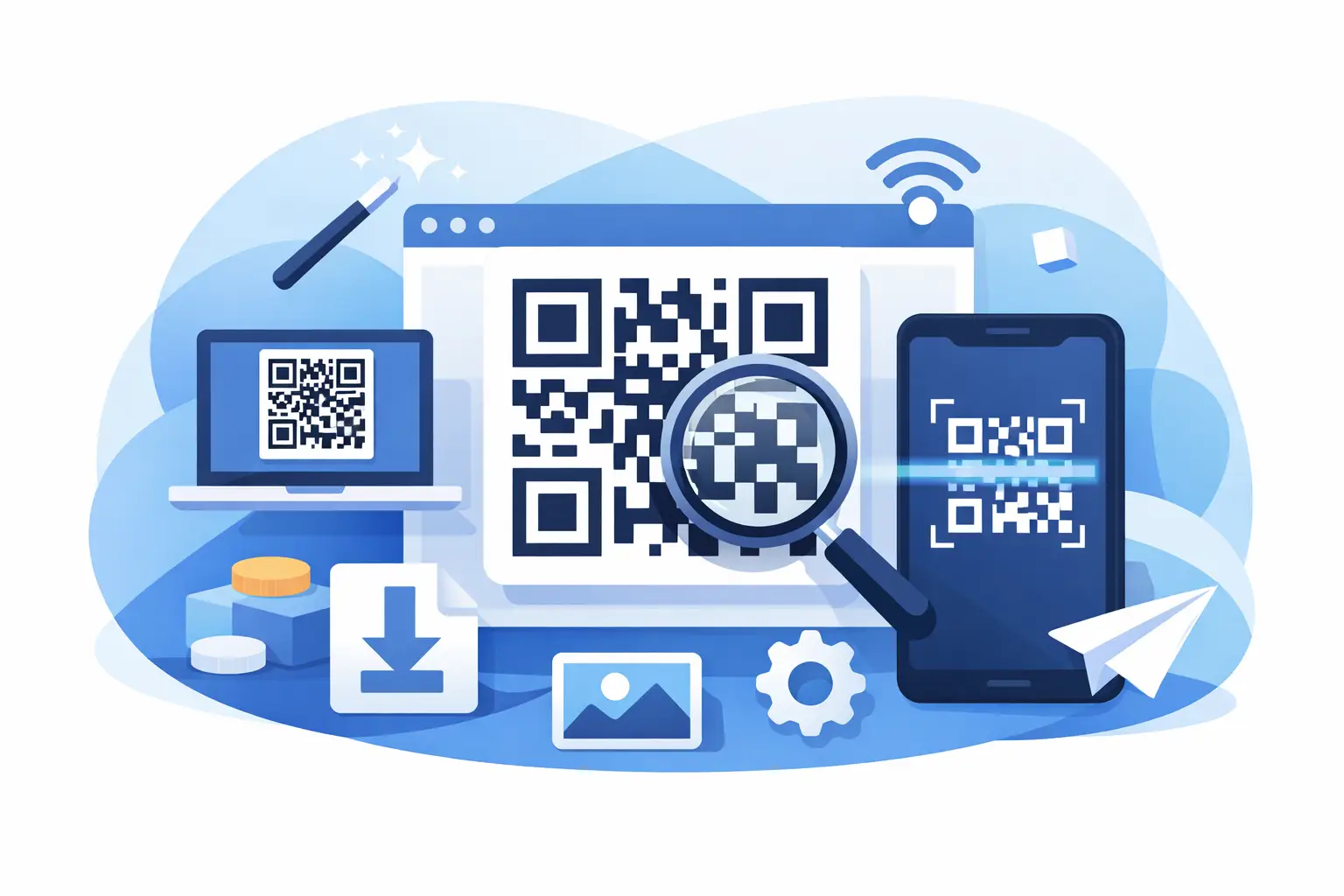
A free QR code generator is a web-based tool that turns a link or other digital destination into a scannable QR code at no cost. You paste in a URL, social profile, or similar destination, generate the code, and download it for use on screens, packaging, signs, menus, handouts, or marketing materials. The main appeal is speed. You do not need special software, design skills, or a long setup process to create something usable right away.

For many users, that is the whole point. They are not looking for a large marketing platform. They just need a clean QR code that sends people somewhere online.

What is free qr code generator used for?

What is free qr code generator used for?

The short answer is simple: it makes links easier to access. Instead of asking someone to type a full web address, search for a profile, or remember a landing page, you give them a code they can scan with a phone camera.

That small change matters more than it sounds. If someone sees your product on a shelf, your sign in a window, or your business card at an event, a QR code removes extra steps. Fewer steps usually means more scans, and more scans usually means more visits, signups, or engagement.

A free QR code generator is often used for business websites, online stores, social media pages, menus, event pages, contact pages, product information, and downloadable files. It is also common for personal use, like sharing a portfolio, resume, or simple contact link.

How a free QR code generator works

How a free QR code generator works

Most tools follow the same basic process. You enter the destination you want people to visit, usually a URL. The generator converts that information into a square pattern of black and white modules that a smartphone camera can read. Once scanned, the phone recognizes the encoded data and opens the destination.

From the user side, it feels instant. Add the link, generate the code, download the image, and place it where people will see it. That is why these tools are popular with small businesses and creators. The job gets done quickly.

Some generators keep things very basic. Others let you adjust colors, file type, image size, or design details. The core function stays the same: turn a destination into a code that works when scanned.

Static vs dynamic QR codes

Static vs dynamic QR codes

This is where the simple question starts to matter more. Not every QR code works the same way after it is created.

A static QR code points directly to the destination you entered at the time of generation. If you encoded a website address, that exact address is baked into the code. It is easy, fast, and often free. The trade-off is that you usually cannot change the destination later without making a new code.

A dynamic QR code works differently. Instead of encoding the final destination directly, it points to a short redirect that can be updated later. That means you may be able to change the destination without reprinting the QR code itself. This is useful for campaigns, seasonal promotions, restaurant menus, real estate signage, and printed materials that stay in use for a while.

If you only need a permanent link to your homepage or profile, a static code may be enough. If your destination might change, dynamic matters.

What you can usually expect from a free tool

What you can usually expect from a free tool

When people ask what is free qr code generator, they are often really asking what they get without paying. In many cases, the answer is straightforward: a functional QR code for basic link sharing.

A free generator is usually a good fit when you need to create a code quickly for a website, social page, or simple online destination. You can often download the image and place it into a poster, label, business card, or digital graphic right away.

That said, free tools vary. Some offer only standard black-and-white output. Some allow color changes or basic styling. Some include higher-resolution downloads, while others limit export options. Some support only static codes, and some put more advanced features behind a paid tier.

That does not make a free generator bad. It just means free is best understood as useful for common needs, not automatically ideal for every use case.

When a free QR code generator is enough

When a free QR code generator is enough

A free tool is often enough when the destination is unlikely to change and the code will be used in a simple, direct way. If you are linking to your main website from a postcard, pointing people to your Instagram from a table sign, or adding a scan option to a flyer, basic functionality may be all you need.

It is also a good fit for testing. Maybe you want to see whether customers will scan a code on packaging, in a storefront, or at a booth before investing more time or money. A free generator gives you a low-friction way to try it.

This is one reason practical tools like QRColor appeal to small businesses and creators. The value is not complexity. It is getting a working QR code without turning a simple task into a project.

When free may not be enough

When free may not be enough

There are situations where a basic generator can fall short. If you need editable destinations, scan tracking, campaign reporting, team access, or branded design controls, a free tool may not cover everything.

Print is another area where details matter. If a QR code is going on product packaging, large signage, or a direct mail campaign, file quality and testing become more important. A low-resolution image or poor contrast can create scanning problems. The code may still look fine to the eye but perform badly in real use.

There is also the issue of reliability. Some free tools are built for convenience, while others may include restrictions, expiration rules, or limited support. Before using any code in something expensive to print, it is smart to verify that the destination works, the file is clear, and the code scans from a realistic distance.

How to choose a good free QR code generator

How to choose a good free QR code generator

The best tool is usually the one that does the simple things well. It should be easy to use, quick to load, and clear about what you are getting. You should know whether the QR code is static or dynamic, what file types are available, and whether there are any limits.

It also helps to look for practical output options. If you are placing the code in print, image quality matters. If you want the code to match your branding, basic color customization may help, but readability should come first. Style is useful only if the code still scans easily.

A good generator should also avoid confusion. You should not have to dig through complicated settings just to make a code for a website or social profile. Most users want a tool that handles the job in a minute or two.

Common mistakes people make

Common mistakes people make

The most common mistake is assuming any QR code will work anywhere. Size, contrast, placement, and destination all affect results. A code that is too small on packaging or too low-contrast on a poster may not scan reliably.

Another mistake is sending users to a poor mobile experience. Even if the QR code works perfectly, the destination still needs to load well on a phone. If the page is slow, cluttered, or hard to use, the scan does not help much.

People also forget to test. Before printing 500 menus or shipping product labels, scan the code on different phones and from different distances. It takes a minute and can save a lot of wasted effort.

Why QR codes keep showing up everywhere

Why QR codes keep showing up everywhere

QR codes solve a very practical problem. They connect physical spaces to digital destinations with almost no effort from the user. A person sees something offline, scans once, and lands where you want them to go.

That simple bridge is why QR codes are now common across retail, events, restaurants, packaging, service businesses, and creator marketing. They reduce friction. For most businesses, that is reason enough.

If you are deciding whether to use one, the better question is not whether QR codes are trendy. It is whether making access easier will help your audience act faster. In many cases, it will.

A free QR code generator is a simple tool, but simple tools are often the most useful when they remove just one step that gets in the way.

What Is a Free QR Code Generator?

Eureka Seven

A flyer with a website address printed in tiny text rarely gets much action. A QR code does the same job faster. That is why people ask, what is free QR code generator, and whether it is enough for real business use.

A free QR code generator is a web-based tool that turns a link or other digital destination into a scannable QR code at no cost. You paste in a URL, social profile, or similar destination, generate the code, and download it for use on screens, packaging, signs, menus, handouts, or marketing materials. The main appeal is speed. You do not need special software, design skills, or a long setup process to create something usable right away.

For many users, that is the whole point. They are not looking for a large marketing platform. They just need a clean QR code that sends people somewhere online.

What is free qr code generator used for?

What is free qr code generator used for?

The short answer is simple: it makes links easier to access. Instead of asking someone to type a full web address, search for a profile, or remember a landing page, you give them a code they can scan with a phone camera.

That small change matters more than it sounds. If someone sees your product on a shelf, your sign in a window, or your business card at an event, a QR code removes extra steps. Fewer steps usually means more scans, and more scans usually means more visits, signups, or engagement.

A free QR code generator is often used for business websites, online stores, social media pages, menus, event pages, contact pages, product information, and downloadable files. It is also common for personal use, like sharing a portfolio, resume, or simple contact link.

How a free QR code generator works

How a free QR code generator works

Most tools follow the same basic process. You enter the destination you want people to visit, usually a URL. The generator converts that information into a square pattern of black and white modules that a smartphone camera can read. Once scanned, the phone recognizes the encoded data and opens the destination.

From the user side, it feels instant. Add the link, generate the code, download the image, and place it where people will see it. That is why these tools are popular with small businesses and creators. The job gets done quickly.

Some generators keep things very basic. Others let you adjust colors, file type, image size, or design details. The core function stays the same: turn a destination into a code that works when scanned.

Static vs dynamic QR codes

Static vs dynamic QR codes

This is where the simple question starts to matter more. Not every QR code works the same way after it is created.

A static QR code points directly to the destination you entered at the time of generation. If you encoded a website address, that exact address is baked into the code. It is easy, fast, and often free. The trade-off is that you usually cannot change the destination later without making a new code.

A dynamic QR code works differently. Instead of encoding the final destination directly, it points to a short redirect that can be updated later. That means you may be able to change the destination without reprinting the QR code itself. This is useful for campaigns, seasonal promotions, restaurant menus, real estate signage, and printed materials that stay in use for a while.

If you only need a permanent link to your homepage or profile, a static code may be enough. If your destination might change, dynamic matters.

What you can usually expect from a free tool

What you can usually expect from a free tool

When people ask what is free qr code generator, they are often really asking what they get without paying. In many cases, the answer is straightforward: a functional QR code for basic link sharing.

A free generator is usually a good fit when you need to create a code quickly for a website, social page, or simple online destination. You can often download the image and place it into a poster, label, business card, or digital graphic right away.

That said, free tools vary. Some offer only standard black-and-white output. Some allow color changes or basic styling. Some include higher-resolution downloads, while others limit export options. Some support only static codes, and some put more advanced features behind a paid tier.

That does not make a free generator bad. It just means free is best understood as useful for common needs, not automatically ideal for every use case.

When a free QR code generator is enough

When a free QR code generator is enough

A free tool is often enough when the destination is unlikely to change and the code will be used in a simple, direct way. If you are linking to your main website from a postcard, pointing people to your Instagram from a table sign, or adding a scan option to a flyer, basic functionality may be all you need.

It is also a good fit for testing. Maybe you want to see whether customers will scan a code on packaging, in a storefront, or at a booth before investing more time or money. A free generator gives you a low-friction way to try it.

This is one reason practical tools like QRColor appeal to small businesses and creators. The value is not complexity. It is getting a working QR code without turning a simple task into a project.

When free may not be enough

When free may not be enough

There are situations where a basic generator can fall short. If you need editable destinations, scan tracking, campaign reporting, team access, or branded design controls, a free tool may not cover everything.

Print is another area where details matter. If a QR code is going on product packaging, large signage, or a direct mail campaign, file quality and testing become more important. A low-resolution image or poor contrast can create scanning problems. The code may still look fine to the eye but perform badly in real use.

There is also the issue of reliability. Some free tools are built for convenience, while others may include restrictions, expiration rules, or limited support. Before using any code in something expensive to print, it is smart to verify that the destination works, the file is clear, and the code scans from a realistic distance.

How to choose a good free QR code generator

How to choose a good free QR code generator

The best tool is usually the one that does the simple things well. It should be easy to use, quick to load, and clear about what you are getting. You should know whether the QR code is static or dynamic, what file types are available, and whether there are any limits.

It also helps to look for practical output options. If you are placing the code in print, image quality matters. If you want the code to match your branding, basic color customization may help, but readability should come first. Style is useful only if the code still scans easily.

A good generator should also avoid confusion. You should not have to dig through complicated settings just to make a code for a website or social profile. Most users want a tool that handles the job in a minute or two.

Common mistakes people make

Common mistakes people make

The most common mistake is assuming any QR code will work anywhere. Size, contrast, placement, and destination all affect results. A code that is too small on packaging or too low-contrast on a poster may not scan reliably.

Another mistake is sending users to a poor mobile experience. Even if the QR code works perfectly, the destination still needs to load well on a phone. If the page is slow, cluttered, or hard to use, the scan does not help much.

People also forget to test. Before printing 500 menus or shipping product labels, scan the code on different phones and from different distances. It takes a minute and can save a lot of wasted effort.

Why QR codes keep showing up everywhere

Why QR codes keep showing up everywhere

QR codes solve a very practical problem. They connect physical spaces to digital destinations with almost no effort from the user. A person sees something offline, scans once, and lands where you want them to go.

That simple bridge is why QR codes are now common across retail, events, restaurants, packaging, service businesses, and creator marketing. They reduce friction. For most businesses, that is reason enough.

If you are deciding whether to use one, the better question is not whether QR codes are trendy. It is whether making access easier will help your audience act faster. In many cases, it will.

A free QR code generator is a simple tool, but simple tools are often the most useful when they remove just one step that gets in the way.