The Future of QR Payments for Small Businesses

Eureka Seven

The Future of QR Payments for Small Businesses

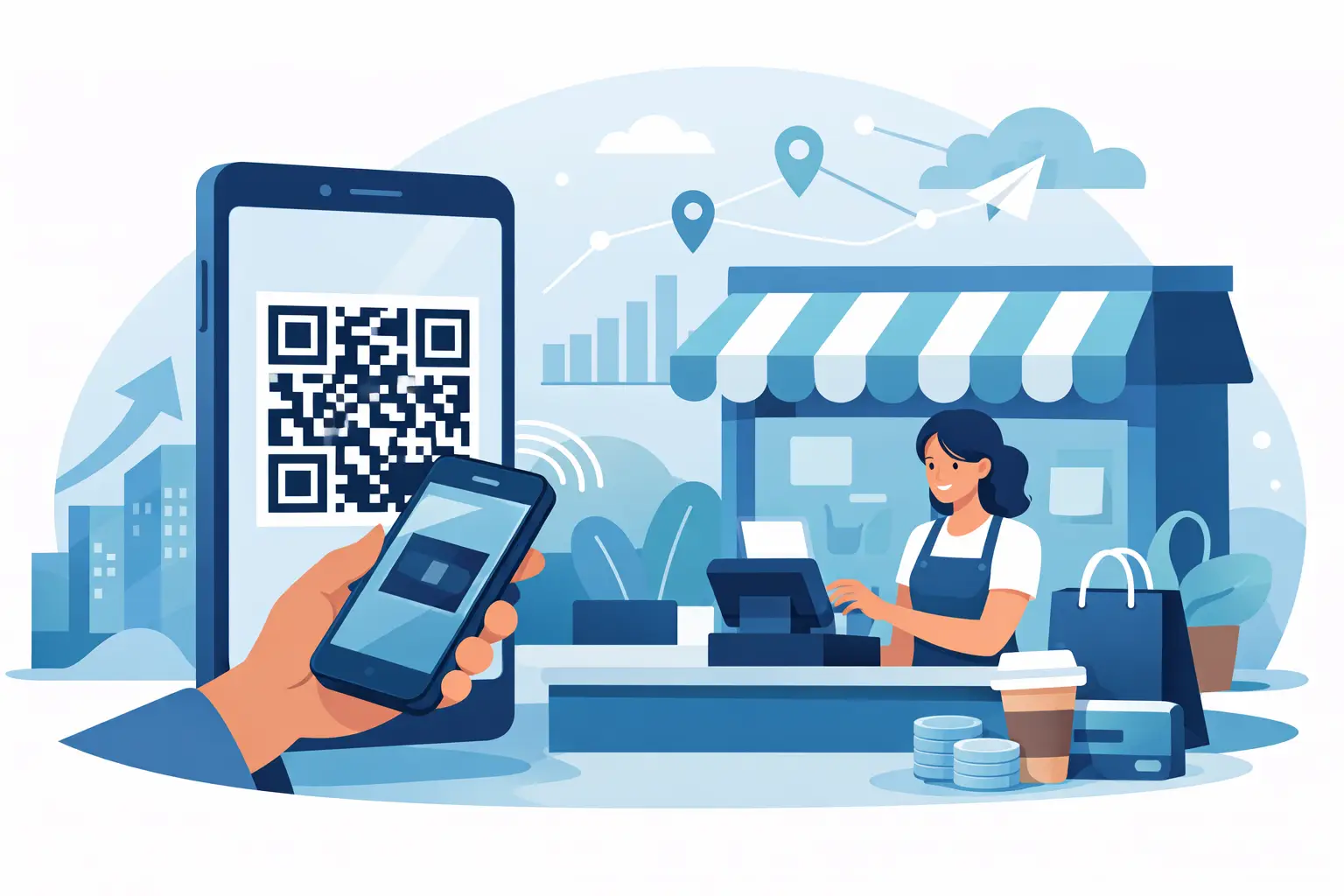
A customer is standing at a counter, ready to pay, but does not want to download another app, handle cash, or wait for a card terminal. They point their phone camera at a code, choose a payment option, and finish the purchase. That simple moment is why the future of QR payments matters to small businesses. It is not just about a different way to check out. It is about making the path from interest to payment shorter.

QR payments are already familiar in restaurants, retail stores, events, and peer-to-peer transactions. Their next phase will be less about novelty and more about practical use: faster checkout, clearer customer choices, and better connections between physical marketing and online action.

Why QR Payments Keep Growing

Why QR Payments Keep Growing

A QR payment lets a customer scan a code with a smartphone and complete a transaction through a payment app, mobile wallet, bank app, or browser-based checkout page. Depending on the setup, the code can be static, showing the same payment destination every time, or dynamic, generating a unique transaction amount or order reference.

The appeal is straightforward. Most customers already carry a phone. A business can display a QR code on a counter, invoice, menu, table tent, event sign, or product package without adding a large piece of hardware. For sellers that operate at pop-ups, markets, food trucks, service calls, or small events, that flexibility is especially useful.

QR payment adoption will not replace every card terminal. Many customers still prefer tap-to-pay or physical cards, and some situations require a traditional point-of-sale system. But QR codes give businesses another low-friction option. The best checkout experience is usually one that lets the customer pay the way they prefer.

The Future of QR Payments Will Be More Connected

The Future of QR Payments Will Be More Connected

The biggest change will not be the code itself. QR codes are simple and widely understood. The change will come from what happens after the scan.

Payments and ordering will happen in one flow

Restaurants have shown how useful this can be. A customer scans a code to view a menu, places an order, adds a tip, and pays from the same phone. Similar flows can work for salons, service businesses, vendors, and retail displays.

For a small business, this can reduce wait times and make staffing easier during busy periods. It can also give customers more time to review options without holding up a line. The trade-off is that the mobile page must be clear, quick to load, and easy to use. A confusing payment screen creates more friction than it removes.

QR codes will make printed materials more useful

A flyer, product label, receipt, or window sign has limited space. A QR code can turn that physical item into a direct route to payment, an online store, a deposit page, or a service booking page.

This matters because customers often see marketing away from a checkout counter. A contractor can place a code on an estimate that leads to an online payment page. A creator can put one on event merchandise. A local store can use a display sign to let customers buy an out-of-stock item for home delivery.

In these cases, the payment is only part of the value. The code bridges the moment a customer notices something and the moment they are ready to act.

Receipts, loyalty, and follow-up will become easier to combine

A payment confirmation can lead naturally to a digital receipt, loyalty enrollment, warranty registration, or reorder page. Done well, this saves customers from entering the same information repeatedly.

Businesses should be careful here. Customers are willing to scan and pay when the value is obvious. They may be less willing to share extra details just to complete a simple purchase. Keep payment required, and make loyalty or marketing sign-ups clearly optional. Trust is more valuable than a forced email address.

What Small Businesses Should Prepare For

What Small Businesses Should Prepare For

You do not need to rebuild your entire checkout process to benefit from QR payments. Start by identifying a point where customers currently pause, wait, or abandon a purchase.

For some businesses, that may be a payment link on invoices. For others, it may be a QR code at a booth where card readers occasionally lose connection. A restaurant may use a code at the table, while a real estate professional may use one on a printed property sheet for application fees or appointment booking.

The right use case depends on the business. QR payments work best when they remove a real step, not when they are added simply because the technology is available.

Before publishing a payment code, test the complete customer experience on more than one phone. Check where the code opens, how long the page takes to load, whether the amount is clear, and what confirmation the customer receives. If a staff member cannot explain the process in one sentence, simplify it.

A few practical details make a real difference:

  • Use a clear call to action, such as “Scan to pay your invoice” or “Scan to order and pay.”
  • Give customers a visible backup option, including card, cash, or a direct payment link when possible.
  • Place codes where they are easy to scan, with enough contrast and no glare.
  • Use a different code for each campaign or location when you need to measure results.
  • Review the destination regularly so customers never reach an expired page or outdated offer.

Security Will Shape Customer Adoption

Security Will Shape Customer Adoption

As QR payments become more common, customers will also become more cautious. Fake QR stickers and misleading links are a real concern. A code can send someone almost anywhere, so businesses need to make the destination obvious before the customer scans.

Use codes only for trusted payment providers and secure checkout pages. Put your business name next to the code. Avoid vague labels like “scan here.” A customer should know whether they are scanning to pay, view a menu, book an appointment, or join a loyalty program.

Physical placement matters, too. Check printed codes regularly, especially on public signs, tables, and counters, to make sure they have not been covered or altered. If you use a dynamic code, maintain control of the destination and update it promptly when a campaign ends.

Customers also need a clear confirmation after payment. A receipt page, order number, email, or text confirmation reduces uncertainty and cuts down on disputes. The payment process should feel familiar, not mysterious.

Dynamic QR Codes Will Be More Useful Than One-Time Prints

Dynamic QR Codes Will Be More Useful Than One-Time Prints

Static codes are useful for permanent destinations such as a website, social profile, or general payment page. But the future of QR payments will increasingly favor codes that can adapt.

A dynamic QR code can point to a destination that changes without requiring new printed materials. That is helpful for rotating promotions, seasonal menus, updated booking pages, or a payment page that changes as a business adds new options.

For example, a fitness instructor could use one code on a studio poster while updating the destination from a single-class payment page to a monthly membership offer. A retailer could keep a code on product packaging and direct customers to the current reorder page. The printed asset stays in place while the digital experience stays current.

This is also where basic tracking becomes useful. A business does not need complex reporting to learn from QR activity. Knowing which sign, event, or printed piece produces scans can help determine where to invest next.

QR Payments Are Not a Standalone Strategy

QR Payments Are Not a Standalone Strategy

A QR code cannot fix a weak offer, a slow website, or an unclear checkout policy. It is a delivery method. The experience after the scan still determines whether a customer completes the payment.

Keep the destination focused. If someone scans to pay an invoice, take them to the invoice. If they scan a code on a product display, take them to that product or a clear order page. Avoid sending customers to a general homepage and asking them to search.

For everyday promotional use, a simple QR code generator such as QRColor can help businesses create scannable entry points for websites, social profiles, and payment-related destinations. The value comes from placing the right code in the right moment, not from adding codes everywhere.

The practical opportunity is simple: look for one customer action that is harder than it needs to be. Put a clear, trusted QR path in front of it, test it with real customers, and keep the next step easy to understand.

The Future of QR Payments for Small Businesses

Eureka Seven

A customer is standing at a counter, ready to pay, but does not want to download another app, handle cash, or wait for a card terminal. They point their phone camera at a code, choose a payment option, and finish the purchase. That simple moment is why the future of QR payments matters to small businesses. It is not just about a different way to check out. It is about making the path from interest to payment shorter.

QR payments are already familiar in restaurants, retail stores, events, and peer-to-peer transactions. Their next phase will be less about novelty and more about practical use: faster checkout, clearer customer choices, and better connections between physical marketing and online action.

Why QR Payments Keep Growing

Why QR Payments Keep Growing

A QR payment lets a customer scan a code with a smartphone and complete a transaction through a payment app, mobile wallet, bank app, or browser-based checkout page. Depending on the setup, the code can be static, showing the same payment destination every time, or dynamic, generating a unique transaction amount or order reference.

The appeal is straightforward. Most customers already carry a phone. A business can display a QR code on a counter, invoice, menu, table tent, event sign, or product package without adding a large piece of hardware. For sellers that operate at pop-ups, markets, food trucks, service calls, or small events, that flexibility is especially useful.

QR payment adoption will not replace every card terminal. Many customers still prefer tap-to-pay or physical cards, and some situations require a traditional point-of-sale system. But QR codes give businesses another low-friction option. The best checkout experience is usually one that lets the customer pay the way they prefer.

The Future of QR Payments Will Be More Connected

The Future of QR Payments Will Be More Connected

The biggest change will not be the code itself. QR codes are simple and widely understood. The change will come from what happens after the scan.

Payments and ordering will happen in one flow

Restaurants have shown how useful this can be. A customer scans a code to view a menu, places an order, adds a tip, and pays from the same phone. Similar flows can work for salons, service businesses, vendors, and retail displays.

For a small business, this can reduce wait times and make staffing easier during busy periods. It can also give customers more time to review options without holding up a line. The trade-off is that the mobile page must be clear, quick to load, and easy to use. A confusing payment screen creates more friction than it removes.

QR codes will make printed materials more useful

A flyer, product label, receipt, or window sign has limited space. A QR code can turn that physical item into a direct route to payment, an online store, a deposit page, or a service booking page.

This matters because customers often see marketing away from a checkout counter. A contractor can place a code on an estimate that leads to an online payment page. A creator can put one on event merchandise. A local store can use a display sign to let customers buy an out-of-stock item for home delivery.

In these cases, the payment is only part of the value. The code bridges the moment a customer notices something and the moment they are ready to act.

Receipts, loyalty, and follow-up will become easier to combine

A payment confirmation can lead naturally to a digital receipt, loyalty enrollment, warranty registration, or reorder page. Done well, this saves customers from entering the same information repeatedly.

Businesses should be careful here. Customers are willing to scan and pay when the value is obvious. They may be less willing to share extra details just to complete a simple purchase. Keep payment required, and make loyalty or marketing sign-ups clearly optional. Trust is more valuable than a forced email address.

What Small Businesses Should Prepare For

What Small Businesses Should Prepare For

You do not need to rebuild your entire checkout process to benefit from QR payments. Start by identifying a point where customers currently pause, wait, or abandon a purchase.

For some businesses, that may be a payment link on invoices. For others, it may be a QR code at a booth where card readers occasionally lose connection. A restaurant may use a code at the table, while a real estate professional may use one on a printed property sheet for application fees or appointment booking.

The right use case depends on the business. QR payments work best when they remove a real step, not when they are added simply because the technology is available.

Before publishing a payment code, test the complete customer experience on more than one phone. Check where the code opens, how long the page takes to load, whether the amount is clear, and what confirmation the customer receives. If a staff member cannot explain the process in one sentence, simplify it.

A few practical details make a real difference:

  • Use a clear call to action, such as “Scan to pay your invoice” or “Scan to order and pay.”
  • Give customers a visible backup option, including card, cash, or a direct payment link when possible.
  • Place codes where they are easy to scan, with enough contrast and no glare.
  • Use a different code for each campaign or location when you need to measure results.
  • Review the destination regularly so customers never reach an expired page or outdated offer.
Security Will Shape Customer Adoption

Security Will Shape Customer Adoption

As QR payments become more common, customers will also become more cautious. Fake QR stickers and misleading links are a real concern. A code can send someone almost anywhere, so businesses need to make the destination obvious before the customer scans.

Use codes only for trusted payment providers and secure checkout pages. Put your business name next to the code. Avoid vague labels like “scan here.” A customer should know whether they are scanning to pay, view a menu, book an appointment, or join a loyalty program.

Physical placement matters, too. Check printed codes regularly, especially on public signs, tables, and counters, to make sure they have not been covered or altered. If you use a dynamic code, maintain control of the destination and update it promptly when a campaign ends.

Customers also need a clear confirmation after payment. A receipt page, order number, email, or text confirmation reduces uncertainty and cuts down on disputes. The payment process should feel familiar, not mysterious.

Dynamic QR Codes Will Be More Useful Than One-Time Prints

Dynamic QR Codes Will Be More Useful Than One-Time Prints

Static codes are useful for permanent destinations such as a website, social profile, or general payment page. But the future of QR payments will increasingly favor codes that can adapt.

A dynamic QR code can point to a destination that changes without requiring new printed materials. That is helpful for rotating promotions, seasonal menus, updated booking pages, or a payment page that changes as a business adds new options.

For example, a fitness instructor could use one code on a studio poster while updating the destination from a single-class payment page to a monthly membership offer. A retailer could keep a code on product packaging and direct customers to the current reorder page. The printed asset stays in place while the digital experience stays current.

This is also where basic tracking becomes useful. A business does not need complex reporting to learn from QR activity. Knowing which sign, event, or printed piece produces scans can help determine where to invest next.

QR Payments Are Not a Standalone Strategy

QR Payments Are Not a Standalone Strategy

A QR code cannot fix a weak offer, a slow website, or an unclear checkout policy. It is a delivery method. The experience after the scan still determines whether a customer completes the payment.

Keep the destination focused. If someone scans to pay an invoice, take them to the invoice. If they scan a code on a product display, take them to that product or a clear order page. Avoid sending customers to a general homepage and asking them to search.

For everyday promotional use, a simple QR code generator such as QRColor can help businesses create scannable entry points for websites, social profiles, and payment-related destinations. The value comes from placing the right code in the right moment, not from adding codes everywhere.

The practical opportunity is simple: look for one customer action that is harder than it needs to be. Put a clear, trusted QR path in front of it, test it with real customers, and keep the next step easy to understand.